A road trip is one of the best ways to explore new places, spend time with family and friends, and enjoy the freedom of the open road. Whether you are planning a weekend getaway or a cross-country adventure, preparing your vehicle before you leave is just as important as planning your route. While many drivers remember to check their tires, engine oil, and brakes, wheel alignment is often overlooked. However, it plays a major role in keeping your vehicle stable, safe, and comfortable throughout your journey.
Wheel alignment ensures that your wheels are positioned according to the manufacturer’s specifications. When the wheels are correctly aligned, your vehicle handles better, your tires wear evenly, and your steering responds accurately. Even a slight misalignment can make your road trip less enjoyable by causing your vehicle to pull to one side, increasing tire wear, and reducing fuel efficiency. These issues may seem minor during daily commuting, but they become much more noticeable when driving long distances.
Ignoring wheel alignment can lead to unnecessary expenses, uncomfortable driving conditions, and avoidable safety risks. Investing in professional wheel alignment services before your next trip helps you travel with confidence while protecting your vehicle from excessive wear and tear. Understanding why alignment matters allows you to make smarter maintenance decisions that benefit both your car and your travel experience.
What Is Wheel Alignment?
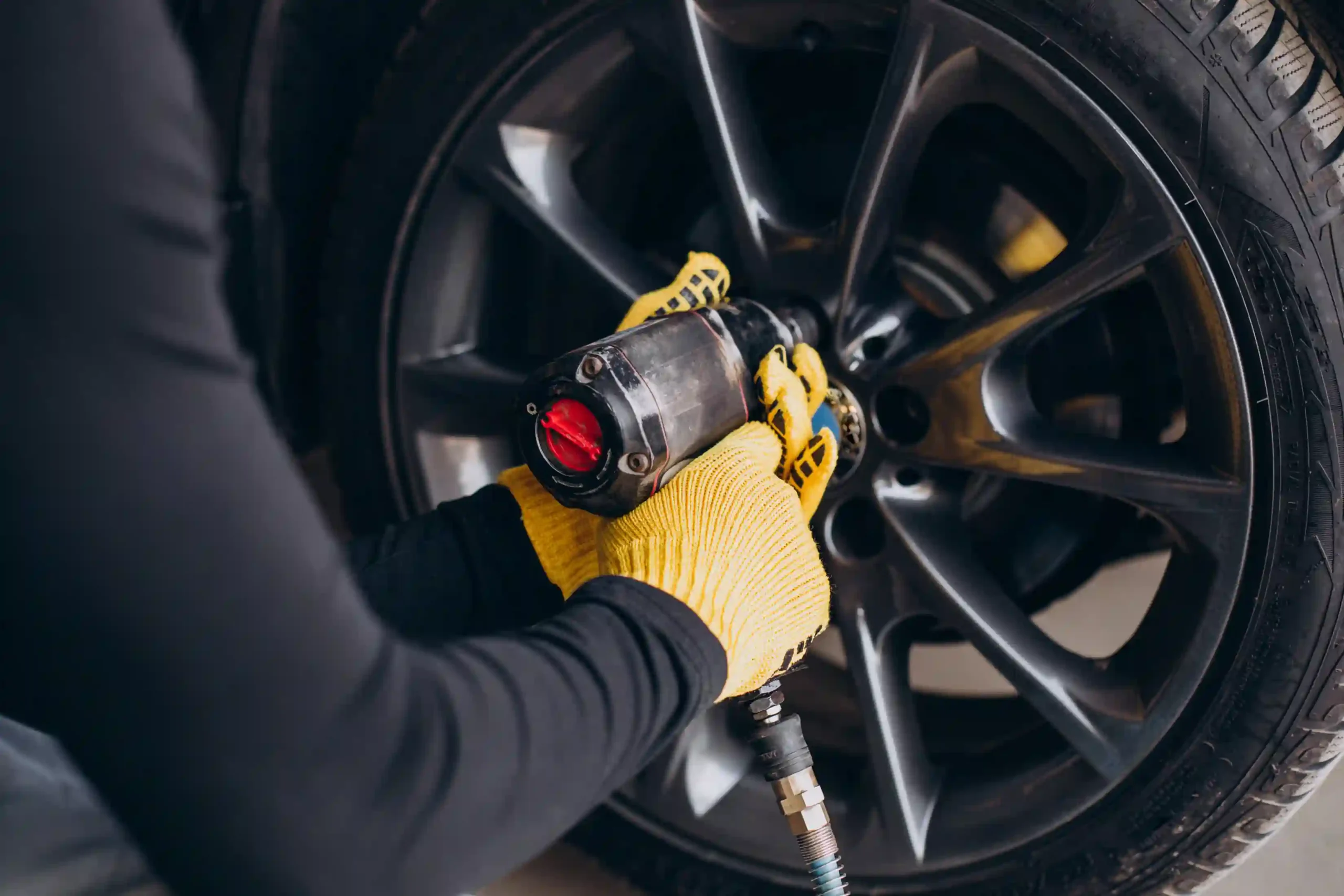
Wheel alignment is the process of adjusting the angles of your vehicle’s wheels so they meet the manufacturer’s recommended settings. Contrary to what many people believe, the service does not involve adjusting the tires themselves. Instead, technicians fine-tune the suspension components that determine how the wheels contact the road.
Three primary alignment angles are carefully measured during the process. Camber refers to the inward or outward tilt of the wheel when viewed from the front of the vehicle. Toe measures whether the tires point slightly inward or outward when viewed from above. Caster refers to the angle of the steering axis, which affects steering stability and cornering performance.
Modern alignment equipment uses advanced computerized technology to detect even the smallest deviations from factory specifications. Once the measurements are complete, technicians make precise adjustments that restore proper wheel positioning. This improves vehicle handling while extending the lifespan of important suspension and tire components.
Proper alignment is not a one-time service. Everyday driving conditions, including potholes, rough roads, curb impacts, and normal suspension wear, gradually affect wheel positioning. For this reason, alignment should be inspected regularly, especially before a long road trip where your vehicle will spend extended hours on the highway.
Why Proper Wheel Alignment Matters Before a Road Trip
Long-distance driving places continuous demands on every part of your vehicle. Unlike short city commutes, road trips involve higher speeds, longer driving hours, and changing road conditions. These factors make proper wheel alignment even more important.
When your wheels are correctly aligned, your vehicle travels straight without constant steering corrections. This reduces driver fatigue, making it easier to stay focused during extended periods behind the wheel. Small steering adjustments that may seem insignificant during a short drive become exhausting after several hundred miles.
Correct alignment also helps your tires maintain full contact with the road surface. Better tire contact improves traction during braking, cornering, and driving in wet weather. This added stability gives drivers greater control in emergency situations.
Fuel economy is another important consideration. Misaligned wheels create additional rolling resistance, forcing the engine to work harder. During a long road trip, this increased fuel consumption can noticeably raise your travel costs. Proper alignment helps maximize fuel efficiency, allowing you to travel farther on every tank of gas.
Additionally, even tire wear reduces the likelihood of unexpected tire problems during your journey. Unevenly worn tires are more susceptible to overheating, punctures, and blowouts, particularly during long highway drives. Preventing these issues contributes to a safer and more enjoyable travel experience.
Common Signs Your Vehicle Needs Wheel Alignment
Many drivers continue operating their vehicles without realizing that alignment problems have already developed. Fortunately, several warning signs indicate when professional inspection is needed.
One of the most common symptoms is a vehicle that consistently pulls to one side, even when driving on a straight, level road. If you must constantly correct the steering wheel to maintain your lane, misalignment may be the cause.
Another noticeable sign is an off-center steering wheel. When driving straight, the steering wheel should remain centered. If it appears tilted while the vehicle continues moving forward, alignment adjustments are likely necessary.
Uneven tire wear provides another strong indication. Excessive wear along the inside or outside edges of the tires usually results from incorrect wheel angles. Regular tire inspections can reveal these patterns before they become severe.
Drivers may also notice steering that feels loose, unstable, or less responsive than usual. In some cases, vibrations develop while driving at highway speeds due to uneven tire contact with the road.
After hitting a large pothole, striking a curb, or being involved in even a minor collision, scheduling an alignment inspection is highly recommended. Suspension components can shift slightly after impacts, affecting wheel positioning even if no visible damage is present.
Recognizing these warning signs early helps prevent more expensive repairs while ensuring your vehicle performs reliably throughout your trip.
How Wheel Alignment Improves Safety on Long Drives
Safety should always be the highest priority when preparing for a road trip. Wheel alignment contributes directly to vehicle stability, predictable handling, and driver confidence.
Properly aligned wheels allow your vehicle to respond accurately to steering inputs. Whether changing lanes, navigating winding mountain roads, or making emergency maneuvers, accurate steering helps you maintain better control.
Braking performance also benefits from correct alignment. Since all four tires maintain more consistent contact with the road, braking forces are distributed more evenly. This improves stopping performance while reducing unnecessary tire stress.
Weather conditions often change unexpectedly during road trips. Rain, strong crosswinds, and uneven pavement require stable vehicle handling. Correct alignment improves traction, helping drivers maintain control under challenging conditions.
Driver fatigue is another important safety concern. Constantly correcting a vehicle that drifts left or right demands continuous concentration and physical effort. Over several hours, this additional workload becomes mentally exhausting. Proper alignment allows the vehicle to track straight, making highway driving significantly more comfortable.
Finally, reducing uneven tire wear lowers the chance of tire-related failures. Tire blowouts at highway speeds can create dangerous situations for both drivers and passengers. Keeping the wheels properly aligned helps preserve tire condition while minimizing these risks.
Preparing your vehicle with a professional wheel alignment before a long trip is a simple maintenance step that delivers lasting safety, comfort, and peace of mind throughout your journey.
Why Wheel Alignment Matters Before Every Road Trip
A road trip should be about enjoying the journey, not worrying about how your vehicle is performing. If your steering wheel feels off-center, your car drifts to one side, or your tires are wearing unevenly, your vehicle may need a professional wheel alignment. Many drivers overlook this service because their car still feels drivable, but even a small alignment issue can become a major inconvenience during long-distance travel.
Wheel alignment ensures that your tires meet the road at the correct angles specified by your vehicle’s manufacturer. Proper alignment improves steering response, increases tire life, and helps your vehicle travel in a straight line with minimal effort. Whether you’re planning a weekend getaway or a cross-country adventure, scheduling a wheel alignment beforehand is one of the smartest ways to prepare your vehicle.
Road trips involve extended hours on highways, varying road conditions, and changing weather. These factors place additional demands on your tires and suspension system. If your wheels are not properly aligned before you leave, the extra mileage can quickly worsen existing issues, leading to poor handling, reduced fuel efficiency, and unnecessary tire wear.
Professional alignment services do more than improve driving comfort. They also protect your investment by extending the lifespan of your tires and reducing strain on suspension components. A simple adjustment before your trip can prevent expensive repairs and give you greater confidence every mile of the way.
Common Signs Your Vehicle Needs Wheel Alignment
Many alignment problems develop gradually, making them easy to ignore during daily driving. However, these small issues become much more noticeable during long trips where you’re spending several hours behind the wheel.
Watch for these warning signs before planning your next adventure:
- Your vehicle pulls left or right while driving on a straight road.
- The steering wheel is crooked even when driving straight.
- Tires show uneven or rapid wear.
- The steering feels loose or unstable.
- You notice vibrations while driving at highway speeds.
- The vehicle requires constant steering correction.
Ignoring these symptoms may result in faster tire deterioration and less predictable handling. Addressing alignment issues early helps avoid larger mechanical problems later.
Better Fuel Efficiency for Long-Distance Travel
Fuel expenses often make up a significant portion of any road trip budget. Surprisingly, proper wheel alignment can help reduce those costs.
When wheels are aligned correctly, tires roll smoothly with minimal resistance. Misaligned wheels create additional rolling resistance, forcing your engine to work harder to keep the vehicle moving. As a result, your vehicle consumes more fuel than necessary.
Although the savings from alignment may seem small on short commutes, they become much more noticeable over hundreds or even thousands of miles. Improved fuel efficiency means fewer stops at the gas station and lower travel expenses throughout your trip.
For drivers covering long distances, this benefit alone often justifies scheduling an alignment before departure.
Protecting Your Tires From Uneven Wear
Tires are one of the most valuable components on your vehicle. Replacing them prematurely due to uneven wear can become an expensive and avoidable expense.
When alignment angles are incorrect, certain areas of each tire carry more weight than intended. Over time, this causes uneven tread wear that shortens tire life and reduces traction.
Proper alignment helps distribute vehicle weight evenly across all four tires, allowing them to wear at a consistent rate. This provides several advantages:
- Longer tire lifespan.
- Better traction on wet and dry roads.
- Improved braking performance.
- More predictable handling.
- Lower long-term maintenance costs.
Road trips often involve thousands of miles of continuous driving. Starting your journey with correctly aligned wheels helps ensure your tires remain in excellent condition from departure to arrival.
Improved Steering Control on Every Road
Road trips rarely involve only smooth highways. Drivers often encounter winding mountain roads, construction zones, gravel roads, heavy traffic, and changing weather conditions.
Proper wheel alignment improves steering precision by keeping all four wheels working together. Your vehicle responds more accurately to steering inputs, allowing you to maintain better control during lane changes, curves, and emergency maneuvers.
This improved responsiveness becomes especially valuable when driving through unfamiliar areas where quick reactions may be necessary.
Instead of constantly correcting your steering, you can enjoy a smoother and more relaxing driving experience throughout your trip.
Reduced Driver Fatigue During Long Drives
Long hours behind the wheel can become physically exhausting, especially when your vehicle requires constant steering corrections.
Misaligned wheels often cause the car to drift left or right, forcing the driver to continuously adjust the steering wheel just to stay centered within the lane. While these corrections may seem minor individually, they quickly add up over several hours of driving.
Proper wheel alignment allows your vehicle to track straight with minimal steering effort. This reduces arm, shoulder, and hand fatigue while making highway driving far more comfortable.
When you’re traveling hundreds of miles in a single day, even small improvements in driving comfort can make a significant difference in how refreshed you feel at your destination.